For Teams
Teams develop their own ways of working over time. Responsibilities shift, informal coordinators emerge, workarounds become routine, and important knowledge may end up living in a small number of heads.
These experiences help a team examine that reality together and make deliberate choices about how it wants to work. Two core offerings, plus a customized simulation for teams learning from recurring problems.
The Standard Behind the Work
Team Clinic sessions for teams are built from research on psychological safety, communication, coordination, conflict, team cognition, leadership, learning, and performance. I do not use personality typing as a substitute for understanding how a team actually works. Therefore, I do not use or promote personality-type tools such as Myers-Briggs for team development. The evidence does not support using these categories as a scientifically strong explanation of how a team functions, and their misuse can encourage labeling and poor decision-making within organizations.
The numbers behind the work
of employees strongly agree that their opinions count at work.
safety incidents in highly engaged teams than in the bottom engagement quartile.
quality defects among teams in the top engagement quartile.
higher productivity among highly engaged teams, depending on how it was measured.
The final four figures compare teams in the top and bottom quartiles of employee engagement.
Team performance depends on how well people coordinate, use one another’s expertise, raise concerns, make decisions, and adjust when the work changes.
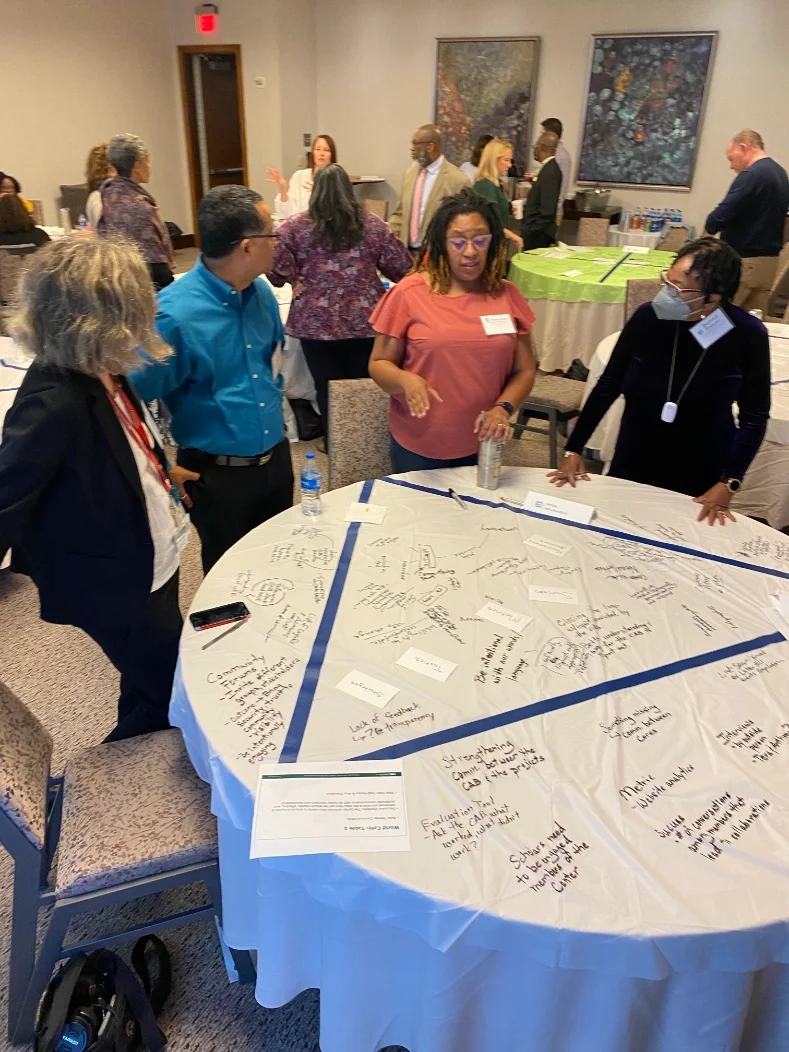
Team Operating System Workshop
An intact team maps how its work actually happens, then redesigns how it wants the work to run going forward.
Our roles look clear on paper, but in practice two people have become the route for almost every decision and handoff.
What this includes
Teams often operate differently from what their roles, workflows, and organizational charts suggest. Over time, ownership shifts, informal coordinators emerge, and workarounds become part of daily practice.
The workshop maps that current state, then helps the team decide how responsibilities, decisions, coordination, escalation, and communication should work going forward.
Team Strategy & Execution Retreat
A working retreat where a team translates priorities into coordinated action it can actually carry out.
We agreed on the priorities in January. It is now June and I could not tell you who owns half of them.
What this includes
A team can have clear organizational priorities and still lack agreement about what those priorities require from the team. This retreat turns strategy into decisions about focus, ownership, dependencies, measures, and how the team will coordinate the work.
It can be used to establish team priorities, translate a larger organizational strategy into the team’s work, or strengthen execution around priorities already in place.
Learning Before the Next Failure
A fictional scenario drawn from the team’s own near misses and recurring problems, so the team can practice recognizing and responding to them earlier.
Near misses and errors keep happening, and every debrief seems to end with the same three action items.
What this includes
For teams dealing with recurring problems, near misses, or errors. The scenario is created from patterns in the team’s own experience. Participants receive information over time, make decisions, and see how those decisions affect what happens next.