Teams, work, and the conditions around them.
My research examines how healthcare teams share knowledge, how people navigate the realities of work, and how those experiences shape quality, careers, and learning.
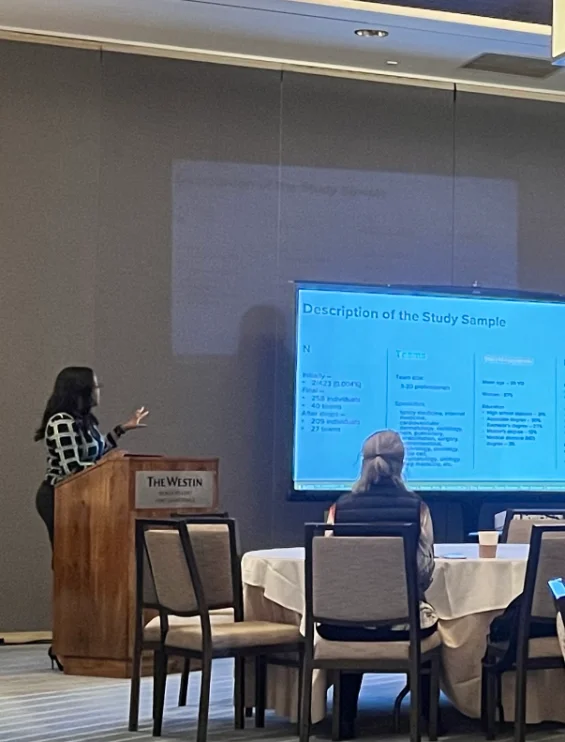
Areas of Inquiry
Teams, Coordination & Psychological Safety
Variables, constructs & theories: Psychological safety · Transactive memory systems · Team cognition · Voice and silence · Coordination · Team learning
Work & Organizational Behavior
Variables, constructs & theories: Workload · Workarounds · Shadow knowledge · Role spillover · Abusive supervision · Departmental support · Conservation of Resources theory · Social Exchange Theory
Leadership, Influence & Professional Outcomes
Variables, constructs & theories: Political skill · Promotability · Professional identity · Impression management · Career advancement · Organizational politics · Intent to leave
Simulation, Education & Team Science
Variables, constructs & theories: Interprofessional learning · Team science · Psychological safety in simulation · Professional identity formation · Learning environments · Executive education
Scale & Survey Development
Survey research is my primary quantitative approach. I typically adapt established instruments to fit the population and research question, but I develop new measures when existing tools do not adequately capture what needs to be studied.
- Team-Based Assessments
- Survey Adaptation
Selected Scholarship
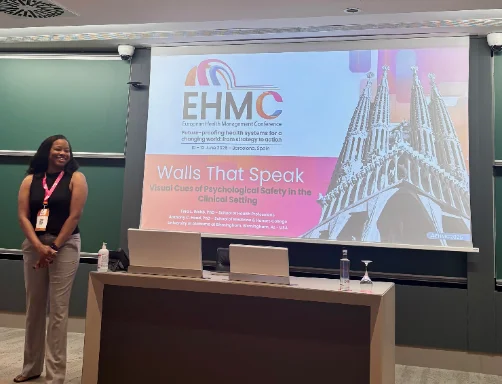
Walls That Speak: Visual Cues of Psychological Safety in the Clinical Setting
This study examines what healthcare organizations communicate through the materials they place in everyday workspaces. Posted policies, quality metrics, error notices, recognition, reminders, and other visible artifacts are analyzed for what they direct attention toward and how they frame voice, error reporting, accountability, and learning. The study also examines whether those environmental signals align with the values the organization says it holds.
- Attention-Based View
- Sensegiving & Sensemaking
- Visual Content Analysis
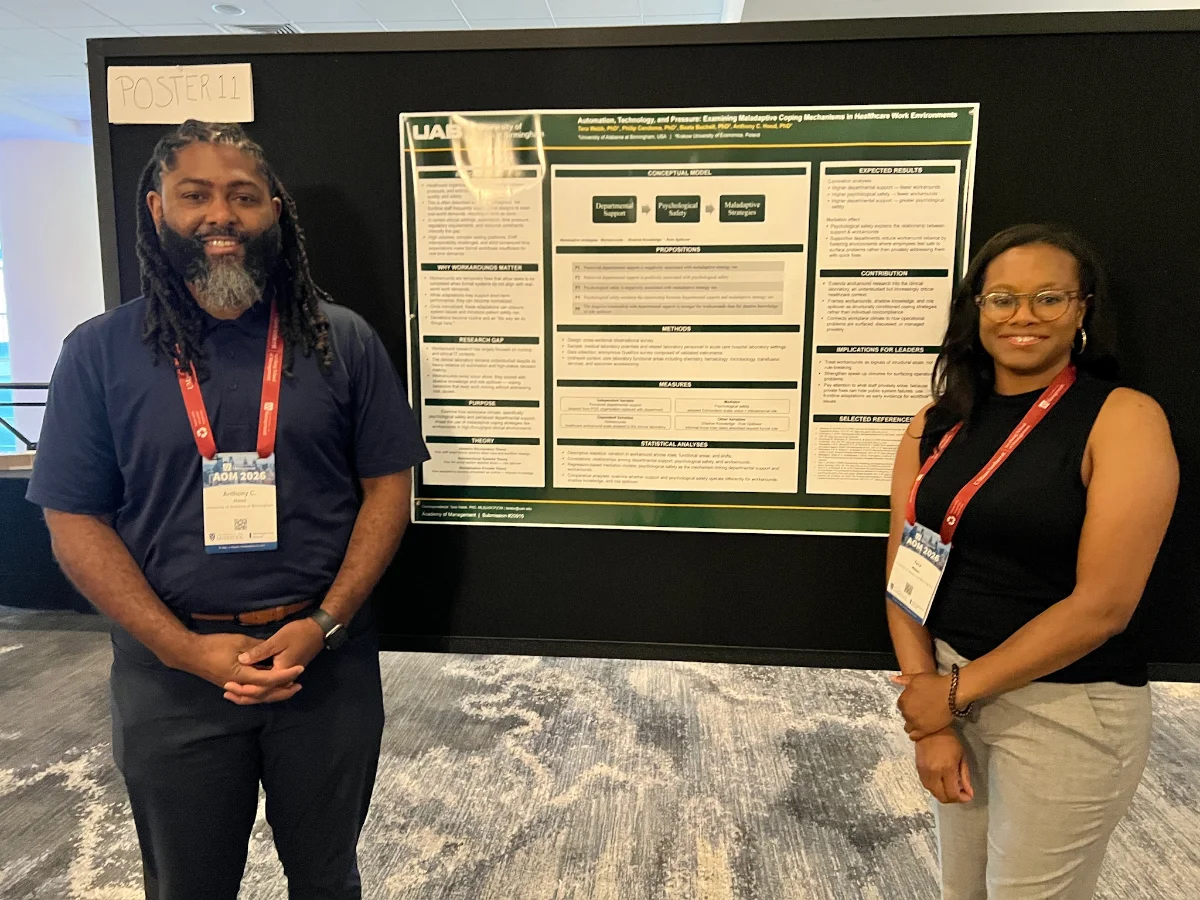
Working Around the System: How Employees Navigate Structural Constraints in High-Throughput Workplaces
This work examines how employees keep work moving when formal processes, technologies, or role expectations do not fit what the job actually requires. Workarounds are one response, but the study also considers role spillover and shadow knowledge as ways employees compensate for system gaps. The larger question is whether these practices remain temporary adaptations or become normalized parts of how the organization functions, making the original problem harder for leaders to see.
- Work as Imagined vs. Work as Done
- Adaptive Structuration Theory
- Normalization Process Theory
Evolving Understandings of Psychological Safety in Healthcare: Trends, Gaps, and Future Directions
This review traces how psychological safety has been defined and measured in healthcare and how the questions being asked about it have changed over time. It also examines where the literature has stretched the construct and where stronger theory, longitudinal work, and multilevel research are still needed.
- Literature Synthesis
- Construct Development
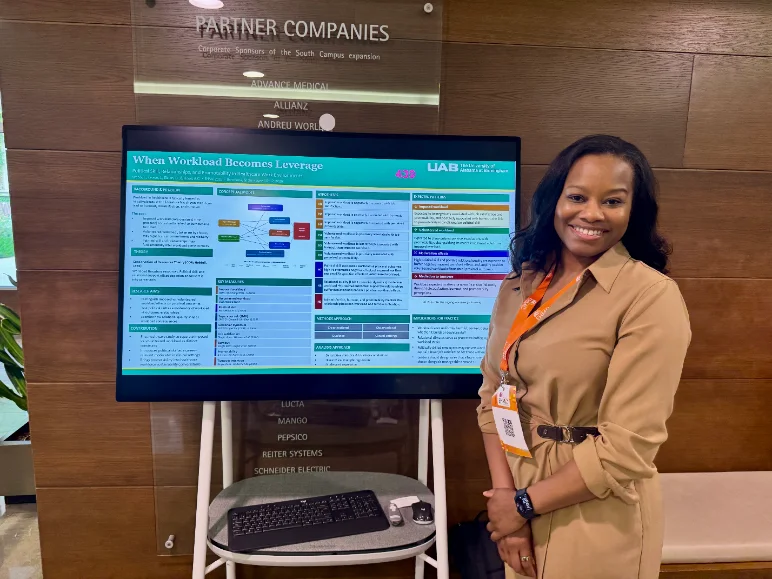
Workload, Relationships & Career Outcomes
This work challenges the assumption that all workload operates the same way. Imposed workload may drain time, energy, and control, while voluntarily taking on additional work can function as an investment in visibility, skill development, and advancement. The study examines how political skill and workplace relationships shape whether workload becomes a liability or a source of career leverage.
- Conservation of Resources
- Imposed vs. Volunteered Workload
- Career Leverage
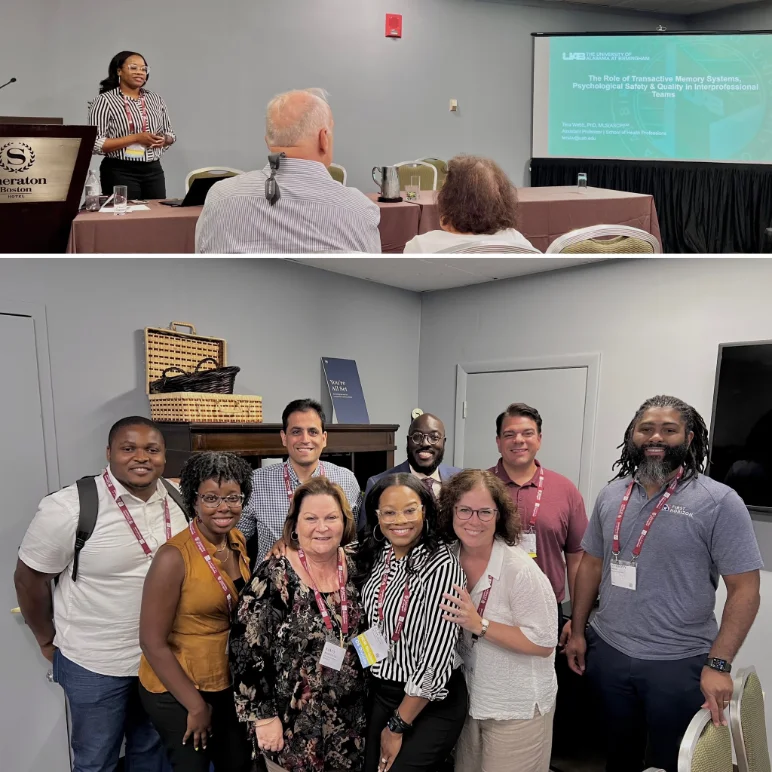
The Role of Transactive Memory Systems, Psychological Safety & Quality in Interprofessional Teams
This study examines what allows interprofessional teams to actually use the expertise distributed across their members. Using team-level data from ambulatory healthcare teams, it tested whether psychological safety supports the development of a transactive memory system (the shared understanding of who knows what on a team) and whether that knowledge system helps explain perceived quality of care. The findings showed that psychological safety was associated with stronger transactive memory systems and higher perceived quality, while TMS did not serve as the expected pathway between the two.
- Team-Level Analysis
- Interprofessional Ambulatory Teams
- Knowledge Exchange

The Role of Buffering Factors in the Relationship Between Abusive Supervision and Promotability
This study examines how employees protect their career prospects when they experience abusive supervision. Political skill is treated as an existing interpersonal capability that employees can activate more deliberately under threat. The study tests whether strategically deploying social monitoring, impression management, and influence helps preserve promotability when the supervisory relationship is damaging.
- Conservation of Resources
- Political Skill Activation
- Resource Protection
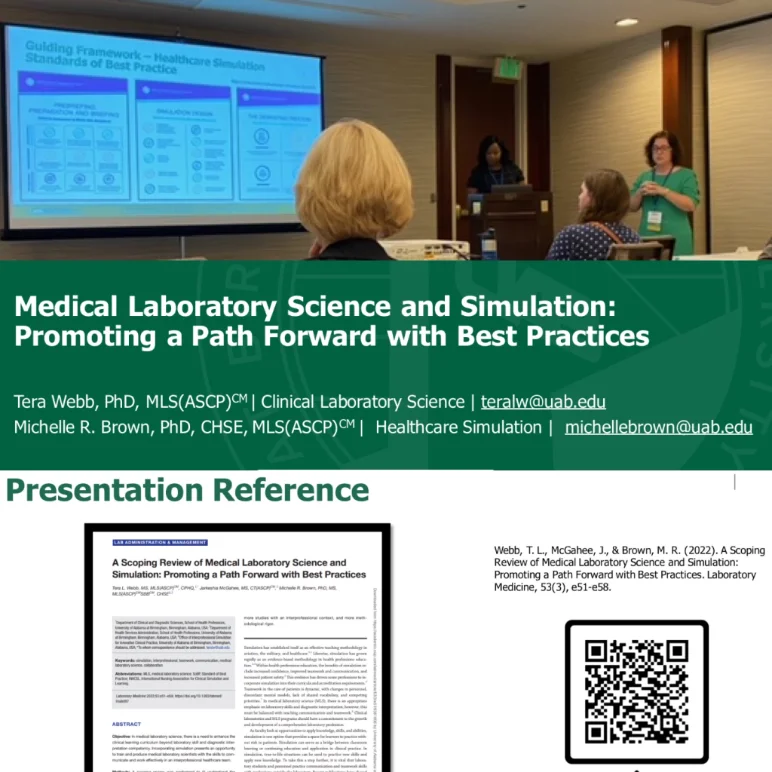
Medical Laboratory Science & Simulation: Promoting a Path Forward with Best Practices
This scoping review examined how simulation had been studied and used in Medical Laboratory Science education and evaluated that literature against established simulation best practices. The review found a small and uneven evidence base, with few studies describing simulation design and implementation in enough detail to judge whether best practices were being followed. The paper outlined a path forward centered on stronger study design, better reporting, greater methodological rigor, and more interprofessional simulation involving the laboratory.
- Scoping Review
- INACSL Standards of Best Practice
- Research Agenda Setting
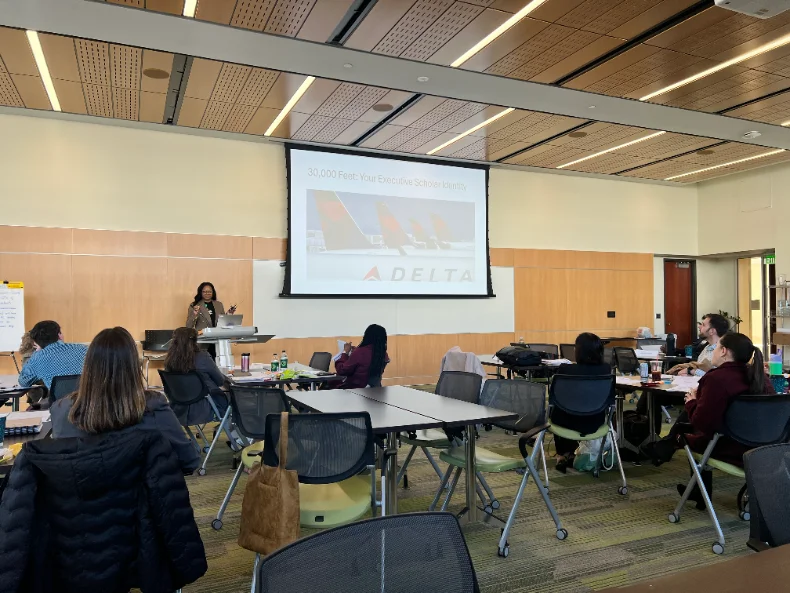
Professional Identity & Scholarly Development
This work examines scholarly identity development in executive doctoral education. Experienced healthcare leaders enter doctoral programs with years of practice, access to real organizational problems, professional relationships, and subject-matter expertise that can become intellectual capital for scholarship. The Executive Scholar Canvas helps them make those assets visible and use them to define what they want to be known for, the problems they want to study, who they want their work to reach, and how coursework, projects, and research can contribute to a coherent scholar-practitioner identity.
- Scholar-Practitioner Identity
- Executive Doctoral Education
Research Across Places
Research-Related Professional Development and Workshops
Selected Publications
Peer-Reviewed Journal Articles
- Reid, E., Webb, T., Hearld, K., DiLeo, R., & Borkowski, N. (2025). Imposter syndrome and use of impression management among health administration healthcare faculty. Journal of Health Administration Education.
- Shorten, A., Bosworth, P., Camp, S., House, D., Somerall, W., Watts, P., Webb, T., & Shorten, B. (2025). Interprofessional team training: Learning from learners about online versus in-person environments. Nurse Educator, 50(2), 84–89. doi.org/10.1097/NNE.0000000000001772
- Webb, T. L., McGahee, J., & Brown, M. R. (2022). A scoping review of medical laboratory science and simulation: Promoting a path forward with best practices. Laboratory Medicine, 53(3), e51–e58. doi.org/10.1093/labmed/lmab087
Academy of Management Proceedings
- 2026 — Workplaces as Social Policy Actors: Work Design, Administrative Burden, and Employee Well-Being. Symposium (panel), Academy of Management Annual Meeting. Coordinator. Philadelphia, Pennsylvania.
- 2023 — The Role of Transactive Memory Systems, Psychological Safety & Quality in Interprofessional Teams. Academy of Management Proceedings. Boston, Massachusetts.
- 2021 — Psychological Safety in Healthcare: Review of the Past 20 Years & Future Directions. Academy of Management Proceedings, Article 16108.
Books & Instructional Resources
- Borkowski, N., & Meese, K. A. (Eds.). (2026). Organizational Behavior in Health Care (5th ed.). Jones & Bartlett Learning. Tera Webb: substantial revisions to the Instructor’s Manual and complete revision of accompanying instructor slide decks.